The Balloon Catheter is really a pretty essential tool these days in a variety of medical procedures. I read somewhere that, according to Grand View Research, the global market for these things is expected to hit around $3.89 billion by 2025 — no small deal! It just goes to show how much more important they’re becoming, especially in areas like cardiology and urology. Dr. Emily Thompson, who's a real expert in interventional cardiology, mentioned that 'The Balloon Catheter is changing the game when it comes to tackling tough vascular problems.'
That said, it’s not all smooth sailing. There are still some hurdles — for example, if the Balloon Catheter isn’t used properly, complications can happen. Safety is always the top priority, obviously. Plus, with new tech constantly popping up, healthcare pros need to stay on top of their game with ongoing training. It’s a lot to keep up with, but that’s just part of the job.
All these advancements show how innovative the field is, but they also remind us to be cautious. Better tools can really improve patient outcomes, but only if we use them carefully and thoughtfully. For both doctors and patients, understanding the Balloon Catheter’s role is pretty crucial — it’s shaping the future of minimally invasive procedures in a big way.
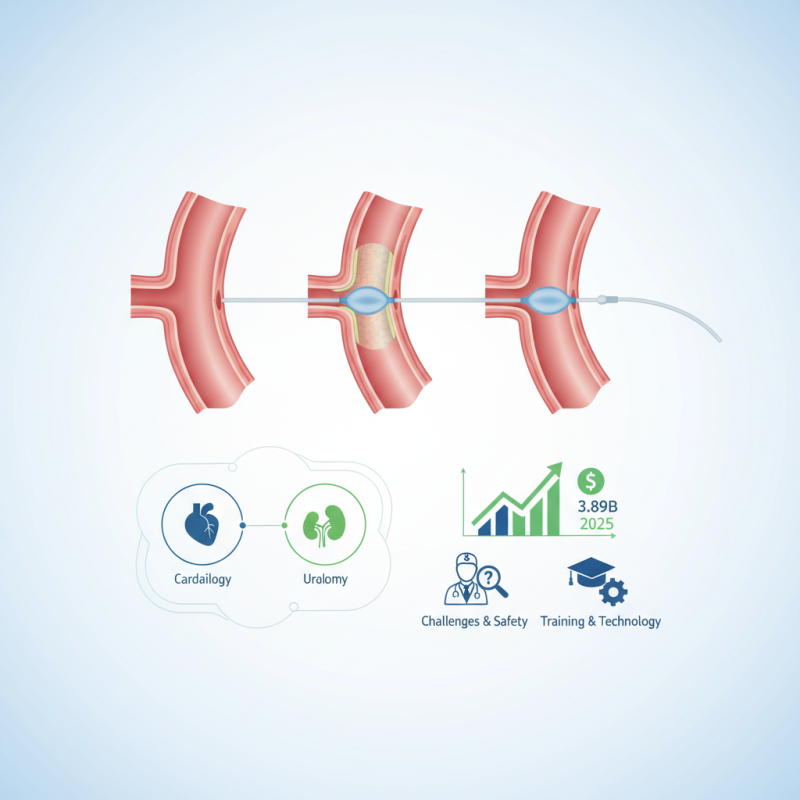
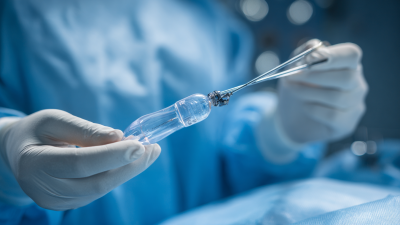
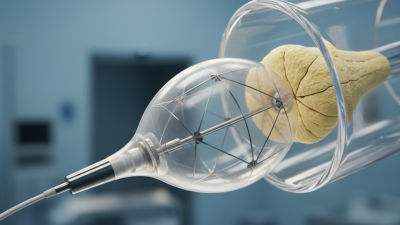
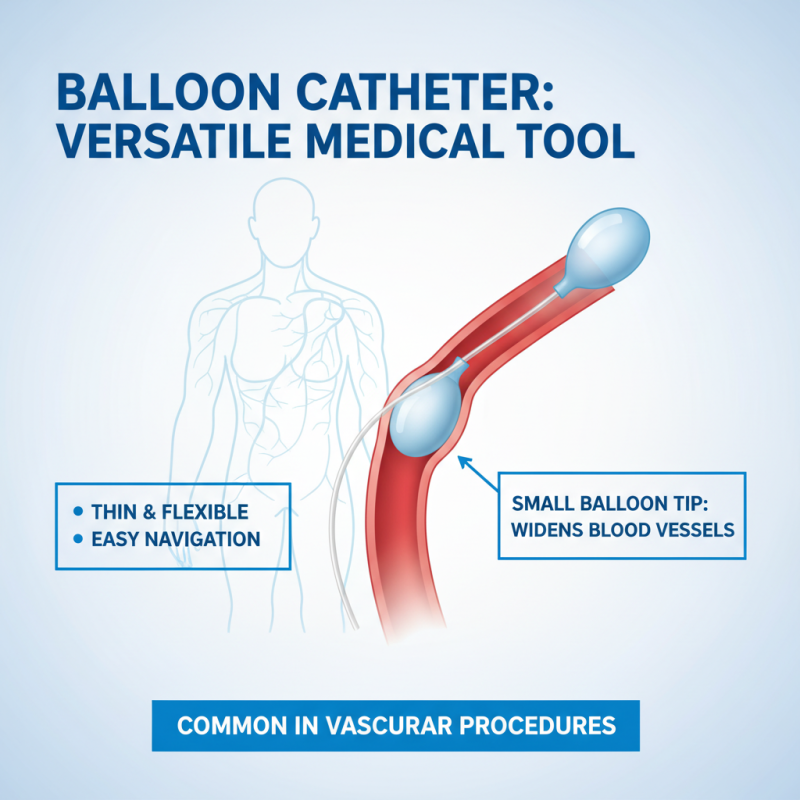
A balloon catheter is a medical device used to widen or clear blocked passages in the body. It consists of a flexible tube with a small balloon at its tip. When introduced into a narrowed area, the balloon can be inflated to open up that passage. This technique is common in various procedures, including those related to the heart and blood vessels.
The design allows for minimally invasive interventions. Physicians can guide the catheter through blood vessels to the site of a blockage. Once in position, they inflate the balloon using saline solution. This helps to restore normal blood flow or prepares the area for further treatment. It’s fascinating how such a small instrument can make a significant difference in a patient’s health.
However, the use of balloon catheters is not always straightforward. There can be complications, such as damage to surrounding tissues. Moreover, not all patients respond well to this treatment. Each procedure requires careful consideration and planning. Doctors must weigh the risks against the benefits when deciding to use a balloon catheter. This complexity adds a layer of responsibility to the medical team involved.
A balloon catheter is a vital tool in various medical procedures, especially in cardiology. Its design consists of several key components. The most notable is the balloon itself, which can expand and compress. This balloon is attached to a thin, flexible tube called a catheter. There is also a guidewire that helps position the catheter accurately. These elements work together to provide effective treatment.
Tips: Ensure proper sizing of the balloon. An incorrectly sized Pta Balloon Catheter can lead to complications. Training is crucial for medical personnel.
In 2023, reports show balloon catheters are widely used for angioplasty. They are effective but can have drawbacks. For instance, over-inflation can damage blood vessels. Moreover, medical professionals should monitor the catheter carefully. Regular inspections can help prevent potential issues. Understanding these aspects is essential for safe usage.
Balloon catheters are crucial tools in modern medicine. They come in various types, each designed for specific uses. For instance, Ptca Balloon Catheters are commonly used in angioplasty. These catheters help open narrowed arteries, restoring blood flow. They work by inflating a small balloon at the site of the blockage. This action widens the artery and allows for better circulation.
Another type is the Foley balloon catheter, often used in urology. This device can facilitate drainage of urine. It has a balloon that helps hold the catheter in place inside the bladder. This can prevent accidental dislodgement, which is a crucial consideration in patient care. It's always important to monitor its placement closely for complications.
While balloon catheters offer significant benefits, challenges remain. Sometimes, an improper fit can lead to discomfort. Inexperienced hands might struggle with insertion. Reflection on these issues is necessary for better outcomes. Each type has its nuances and learning to navigate them takes time.
This chart illustrates the usage distribution of various types of balloon catheters in medical procedures. Inflatable catheters are the most commonly used, followed by drug-eluting balloons, non-Compliant Balloons, and compliance balloons.
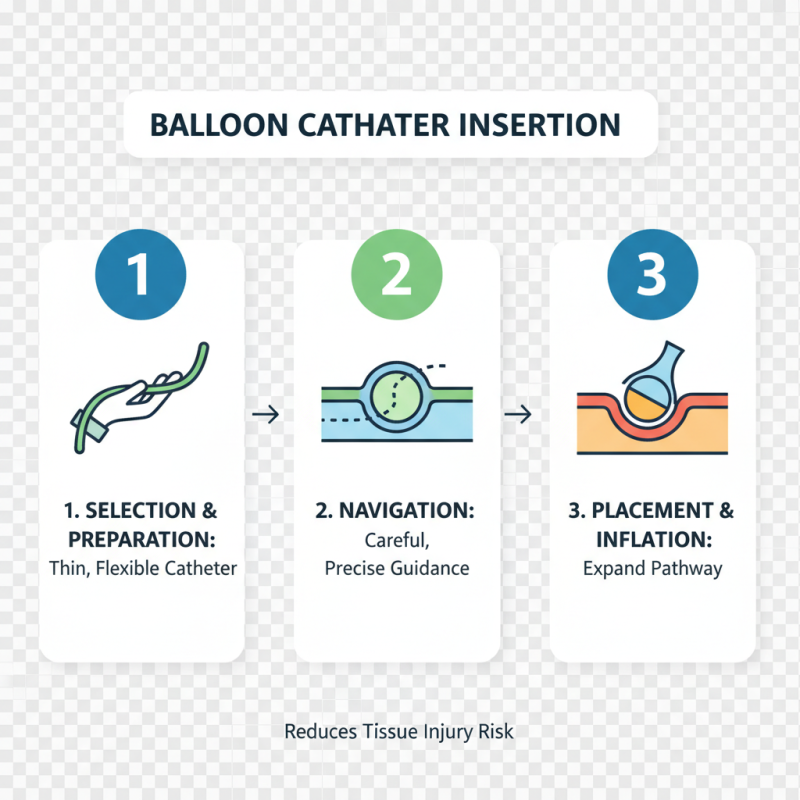
Inserting a balloon catheter involves a careful and precise process. The medical professional begins by selecting the appropriate catheter. The catheter is usually thin and flexible, designed to navigate narrow pathways in the body. This flexibility is crucial as it reduces the risk of injury to surrounding tissues.
Next, local anesthesia is often administered to minimize discomfort. The catheter is then inserted through a small incision or natural opening, such as the urethra or blood vessel. For some procedures, a Scoring Balloon Catheter may be used to create a small incision in the tissue. This allows for better access to the targeted area. The insertion requires steady hands and a calm approach, as any sudden movement can cause complications.
Once the catheter is in place, it can be inflated with fluid to achieve the desired effect. This can be to widen a blocked passage or to deliver medication directly to a specific area. Each step in this process demands focus. Even minor mistakes can lead to serious consequences, highlighting the need for training and experience in medical professionals.
A balloon catheter is a versatile medical tool. It is often used in various procedures, particularly in treating blood vessels. The catheter is thin and flexible, making it easier to navigate through the body. At its tip, it has a small balloon that plays a crucial role.
When the balloon catheter reaches the targeted area, it is inflated. This inflation compresses the surrounding tissue. In cases like a narrowed artery, this opening can significantly improve blood flow. The balloon’s pressure can help in widening the area without damaging the surrounding structure. However, not every procedure achieves the desired outcomes. Sometimes, the vessel may not stay open after the balloon is deflated.
The mechanism involves careful monitoring. Physicians must watch for any complications during the procedure. It requires precision and skill to avoid damaging nearby tissues. Each use brings its own set of challenges. Results can be unpredictable because every patient's anatomy is unique. Adjustments may be needed based on specific circumstances. Understanding how balloon catheters work is essential in optimizing their effectiveness.
Balloon catheters play a vital role in modern medical procedures. They are commonly used in angioplasty, where arteries are widened to improve blood flow. In 2022, the angioplasty market was valued at approximately $2.2 billion and is expected to grow significantly (Market Research). This growth highlights the increasing reliance on advanced technology like balloon catheters.
Another significant application is in urology. Surgeons often utilize them to treat obstructive conditions in the urinary tract, especially in older patients. Recent studies suggest that balloon urethral dilation can be effective for managing certain urinary issues. However, there are concerns about the risk of complications, which doctors must weigh carefully.
The Cutting Balloon Catheter is a unique innovation in this field. It features small blades that incise the tissue while simultaneously dilating an artery. While this technique can lead to improved outcomes, it also requires skilled professionals to minimize risks. Training and education are essential to avoid potential mishaps during the procedure. Engaging patients and discussing risks openly can lead to better decision-making and outcomes.
Balloon catheters are valuable tools in modern medicine. However, they come with potential risks and complications that need attention. According to a study published in the Journal of Vascular Surgery, the risk of infection associated with balloon catheter use can be as high as 10%. This is concerning, especially for patients with weakened immune systems. Infections can lead to prolonged hospital stays and increased healthcare costs.
Another serious risk is vessel perforation. While the incidence is low, it is critical to acknowledge that it can occur. A report by the American College of Cardiology noted that perforation rates range from 0.5% to 1%. This can lead to severe complications, including hemorrhage and potentially life-threatening situations. Patients must be informed about these risks before the procedure.
Moreover, thrombus formation is a significant concern. Research indicates that up to 15% of patients may develop clots following balloon catheter placement. Clots can lead to additional procedures or even permanent damage. It's essential for healthcare providers to monitor patients closely after the use of these devices. Discussions around the risks should be candid. Understanding these complications can drive better outcomes and safer procedures for patients.
| Aspect | Details |
|---|---|
| Definition | A balloon catheter is a medical device consisting of a flexible tube with a balloon at the tip, used for various diagnostic and therapeutic purposes. |
| Common Uses | Cardiac procedures, angioplasty, urethral dilation, and treatment of vascular obstructions. |
| Mechanism of Action | The catheter is inserted into a blood vessel or duct and inflated to open or widen a passage, allowing for improved flow or access. |
| Potential Risks | Infection, bleeding, blood vessel damage, or allergic reactions to the materials. |
| Complications | Persistent pain, blood clots, and catheter malposition. |
| Post-Procedure Care | Monitoring for signs of infection, proper cleaning, and scheduled follow-up appointments. |
Innovations in angiography catheter technology are transforming the landscape of vascular imaging, allowing for more precise diagnostics and improved patient outcomes. These advanced catheters are designed to ensure optimal visualization of cardiovascular, peripheral blood vessels, and neurovascular systems. By injecting contrast agents directly into the blood vessels, healthcare professionals can gain a clearer picture of anatomical structures and any potential lesions, which is crucial for accurate diagnosis and effective treatment planning.
The latest developments in catheter technology have focused on enhancing both the flexibility and maneuverability of the devices, enabling doctors to navigate through complex vascular networks with greater ease. This is particularly important in challenging cases where access to certain areas may be limited. Moreover, advancements in materials have led to catheters that are not only lighter but also more resistant to kinking, ensuring a smoother operation during procedures. Enhanced imaging capabilities provided by these innovative catheters ultimately lead to better-informed clinical decisions and improved patient safety.
In addition to technical enhancements, user-friendly features have also been integrated into the latest catheter designs. These developments aim to reduce procedural time and enhance workflow efficiency, enabling healthcare professionals to focus more on patient care. As angiography catheters continue to evolve, their contribution to vascular imaging becomes increasingly significant, shaping the future of interventional radiology and contributing to better overall outcomes for patients.
: Symptoms include anxiety, headaches, and fatigue. Some may experience irritability or difficulty sleeping.
Try deep breathing, physical activities, and mindfulness techniques. Take short breaks during busy times.
Yes, many feel overwhelmed. It's important to acknowledge these feelings and take small steps to cope.
If stress affects daily life, seeking help is a good idea. It can be tough to handle alone.
Absolutely. Stress can lead to various health issues like heart problems. It's essential to address it.
Set boundaries between work and personal time. Prioritize activities that bring joy and relaxation.
Simple techniques like stretching, taking deep breaths, or stepping outside can provide immediate relief.
Eating well can improve mood and energy. Poor nutrition may increase stress and anxiety over time.
A balloon catheter is a specialized medical device used in various procedures to navigate the body's vascular system or other internal pathways. Key components include the flexible tube, the inflatable balloon, and a guiding mechanism, which come together to facilitate effective treatment. There are various types of balloon catheters, each designed for specific uses, such as angioplasty or stent placement.
The insertion of a balloon catheter involves accessing the targeted area through minimal incisions or existing bodily openings. Once in place, the balloon is inflated to achieve desired effects, such as widening a narrowed passage or deploying a stent. Common procedures utilizing balloon catheters are essential in treating cardiovascular diseases, among others. However, while balloon catheters are generally safe, they can pose potential risks and complications, making careful consideration and skilled application crucial in their use.